
How Breed Bans Could Affect Your Holiday Travel Plans
As holiday travel ramps up, more families are choosing to bring their pets along for the ride. For dog owners, this can mean mapping out pet-friendly hotels, packing travel crates, and making sure your furry companion stays safe and comfortable on the road. But if your dog is on a restricted breed list, your travel plans could hit a legal roadblock — and that’s where dog bite insurance comes into play.
So, can breed bans affect your ability to travel with your dog? The short answer is yes — and the details can get complicated. Breed-specific legislation (BSL) varies by city, county, and state, and understanding the risks before you hit the road could help you avoid fines, denied lodging, or even a forced return trip.
Where Are Breed Bans Still in Effect?
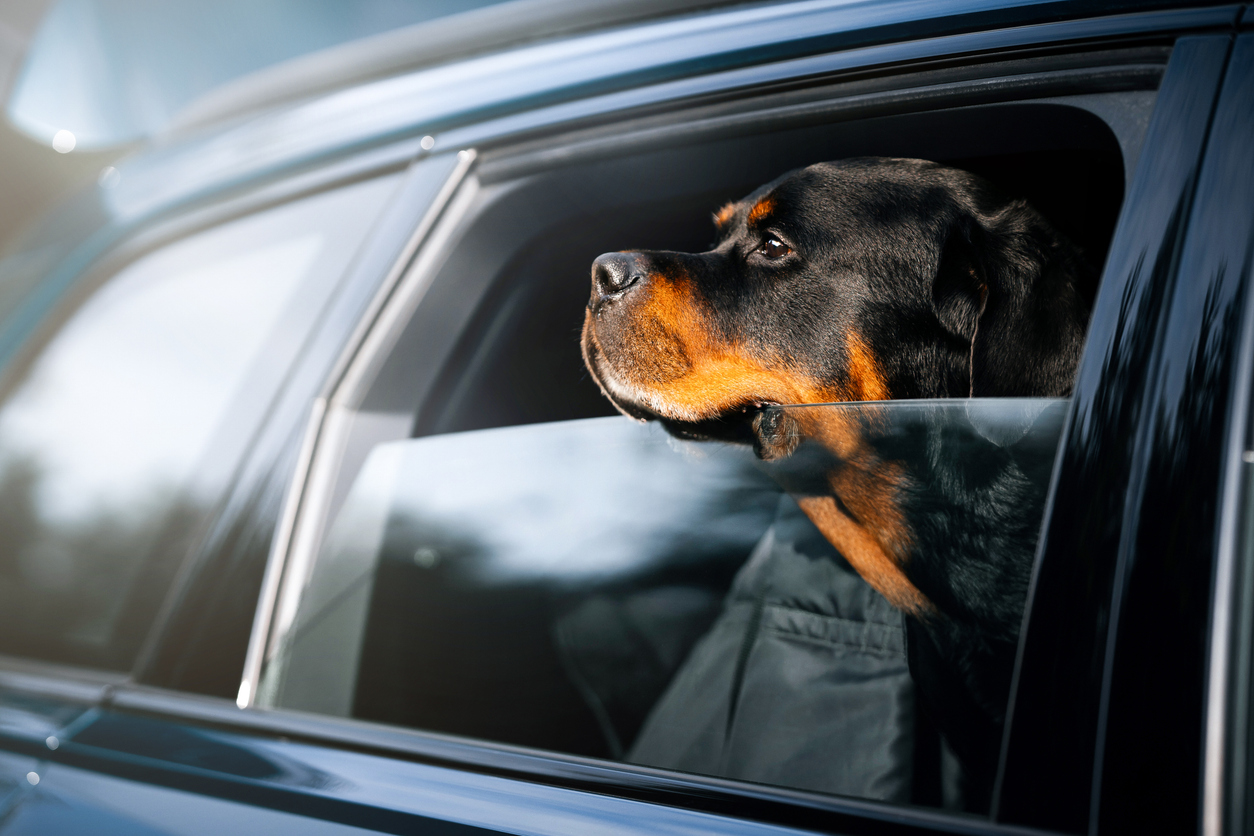
Breed-specific legislation refers to laws that restrict or prohibit specific dog breeds, typically those perceived as more aggressive or potentially dangerous. The American Society for the Prevention of Cruelty to Animals (ASPCA) explains that these laws often target breeds such as American Pit Bull Terriers, Rottweilers, and Doberman Pinschers, despite no precise data linking a breed alone to bite incidents.
While some states have outlawed breed-specific laws entirely, others still allow municipalities to enforce them. For example, in Kansas, local governments are still permitted to enact breed-specific legislation, and several municipalities maintain outright bans on pit bull-type dogs. That makes researching your destination essential — especially during the holidays, when travel is time-sensitive and crowded lodging options are limited.
What Happens If You Travel to a Banned Area With Your Dog?
Running afoul of local BSL can lead to more than inconvenience. Depending on the jurisdiction, you may be turned away from a hotel or rental property, fined, or even required to leave the area with your dog immediately.
Even if you’re not in violation of a local law, bringing a restricted breed into unfamiliar environments — such as a relative’s home with small children or a noisy hotel — increases your liability exposure. Dogs often act out when stressed, and a nip or growl in a crowded lobby could quickly escalate.
How Dog Bite Insurance Helps Protect You During Holiday Travel
When you’re traveling, a standalone dog bite insurance policy can provide critical protection. These policies typically offer liability coverage if your dog injures someone or causes property damage, regardless of your homeowners insurance status.
That’s particularly important if you’re staying in a short-term rental, visiting out-of-state friends, or encountering unfamiliar guests. Before you travel, review your policy for details like:
- Breed acceptance: Confirm your dog is covered, especially if they are commonly restricted.
- Jurisdictional limits: Some policies may have state-specific clauses, so check whether your destination is included.
- Short-term rental stays: If you’re using platforms like Airbnb or Vrbo, make sure coverage extends to these environments.
In a season filled with distractions and movement, having the right insurance in place adds a layer of calm.
Plan Smart, Travel Safe With Your Dog
Holiday travel is stressful enough without navigating breed bans and liability risks on the fly. By understanding local laws, preparing for alternate lodging, and securing comprehensive coverage, you can keep your travel plans intact — and your dog safe.
Considering traveling with your dog this season? Learn more about how dog bite insurance can offer peace of mind.
FAQ About Traveling With Specific Breeds
What breeds are most commonly affected by breed-specific legislation?
Laws typically target breeds such as Pit Bulls, Rottweilers, Dobermans, German Shepherds, and sometimes mixes that resemble these dogs. Always check local regulations, as definitions and enforcement vary widely.
Can I be denied lodging because of my dog’s breed?
Yes. Many hotels, vacation rentals, and campgrounds follow local BSL guidelines or have internal pet policies that restrict certain breeds, even if your dog is well-behaved and insured.
Does homeowners insurance cover my dog while traveling?
Not always. Standard homeowners insurance may offer some liability coverage, but only at your primary residence. A standalone dog bite policy can offer broader protection while you’re away from home.
What should I do before traveling with a restricted breed?
Research laws in your destination and along your travel route. Confirm your lodging’s pet policy, and review your dog bite insurance to ensure it covers incidents in other jurisdictions.
Is dog bite insurance available in every state?
Dog Bite Quote offers policies in every state except Alaska and Kentucky. If you’re unsure whether coverage applies in your travel destination, it’s worth reviewing the terms or contacting an agent.
About Dog Bite Quote
At Dean Insurance Agency, we’ve been providing protection to dog owners since 2012, with more than 10,000 policies issued. Our underwriting criteria and years of experience providing this coverage enable us to offer competitive and fair policy premiums. Our policies are available in every state except Alaska and Kentucky. The quote is free, and there is NO obligation to purchase!