
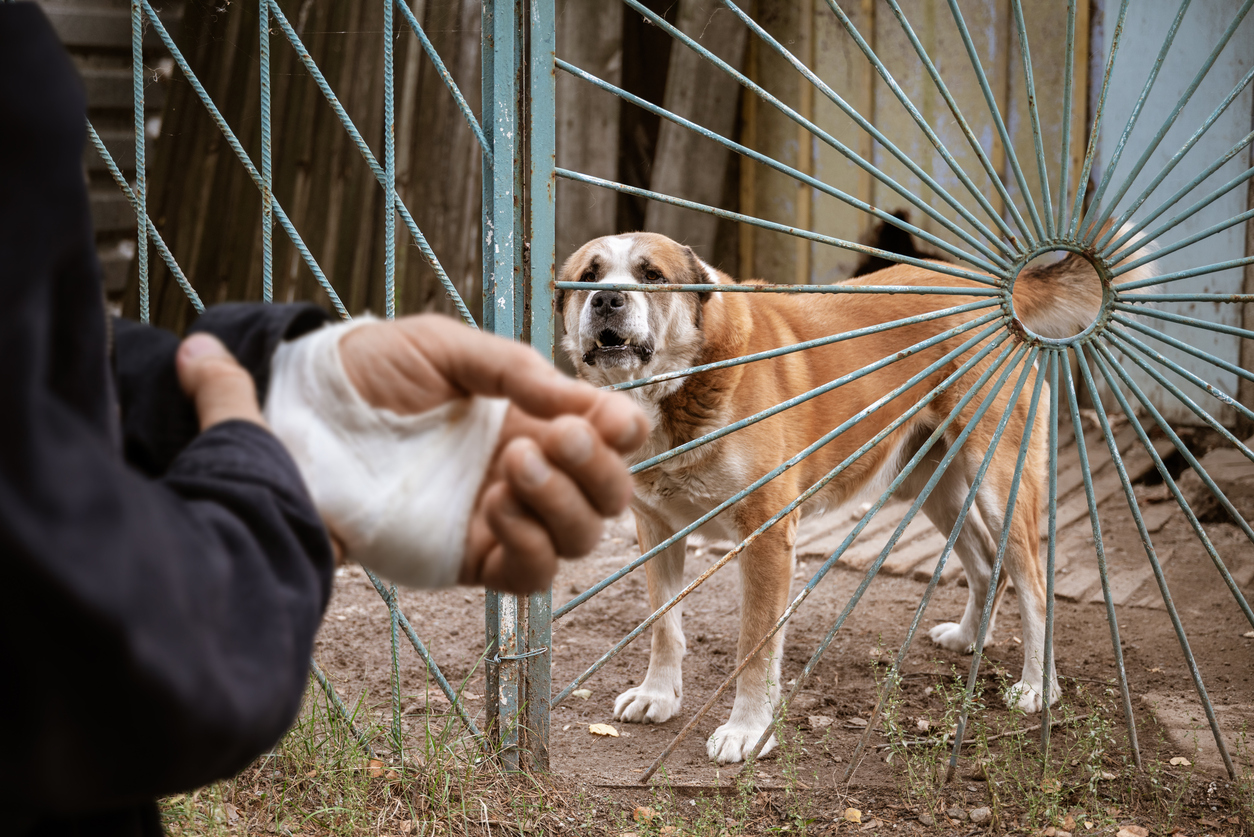
What Happens After a Bite Incident: A Step-by-Step Guide to Claims
Most dog owners don’t spend much time thinking about what happens after a bite incident. Until it happens, the process can feel unclear and overwhelming. Questions come up quickly, from medical responsibility to insurance coverage, and it’s not always obvious where to start.
If you’ve ever wondered what happens after a dog bite incident for insurance claims, you’re not alone. Understanding how dog bite insurance works can help you respond calmly, gather the right information, and move through the claims process with more confidence.
What Should You Do Immediately After a Dog Bite Incident?
The first priority is safety. Check the injured person and seek medical attention right away, even if the injury seems minor. Then, secure your dog to prevent further stress or interaction.
Once everyone is safe, gather key details:
- Exchange contact information with the injured party.
- Take photos of the scene and any visible injuries.
- Write down what happened while it’s still fresh.
- Collect witness information if others saw the incident.
Some locations require reporting a dog bite to authorities or animal control. Requirements vary by state or even city, so it helps to check local guidelines. Acting calmly and responsibly in these early moments can make the next steps smoother.
How Does the Dog Bite Insurance Claim Process Work?
After the immediate situation, the claims process typically begins with notifying your insurance provider. From there, the process often includes:
- A review of the incident details and timeline
- Statements from those involved
- Medical documentation related to the injury
- An evaluation of liability based on available information
In some cases, claims may involve extended negotiations or legal proceedings, especially if there is disagreement about responsibility or damages, which is why clear documentation and early reporting matter.
Many owners wonder if their policy will apply, especially if their dog has no prior history. Coverage depends on the policy terms. Some homeowners policies include liability protection, but they may have exclusions or limits. Dog-specific coverage, such as dog bite liability, can offer a more focused approach for incidents involving pets.
What Should You Avoid During the Claims Process?
Knowing what not to do can be just as important as knowing the right steps to take. A few common missteps can complicate your claim or affect the final outcome.
Avoid Volunteering To Pay for Injuries or Property Damage
Even when the gesture feels like the right thing to do, making direct offers or payments to the injured party can work against you. Your insurer needs to evaluate the claim first, and out-of-pocket commitments may not be reimbursed.
Limit Direct Conversations With the Injured Party
It’s natural to want to apologize or check in, but detailed discussions about the incident can create complications. Once a claim is in motion, direct the injured party to your claims representative. That’s what they’re there for.
Be Prepared for a Long Process
Claims are rarely resolved quickly. It is common for a dog bite claim to take several months to settle, particularly if medical treatment is ongoing or liability is disputed. Patience and consistent communication with your insurer will serve you well throughout.
What Factors Can Affect a Dog Bite Claim Outcome?
Not every claim follows the same path. Several factors can influence how a situation resolves:
- The severity of the injury and the required medical care
- Whether the dog has a prior history of incidents
- Local laws that define owner responsibility
- The details and limits of your insurance policy
Context can also matter. For example, a dog may already feel stressed after a tense interaction with another pet when a child approaches to pet it. In that moment, the dog may react defensively. Dogs may respond this way when they feel overwhelmed or startled. That context may help explain behavior, but it does not eliminate liability.
Understanding how these factors interact can help you approach the process with more realistic expectations.
How Can Dog Owners Prepare Before an Incident Happens?
Preparation plays a key role in both prevention and recovery. Steps like training, supervision, and recognizing triggers can reduce the likelihood of an incident.
It also helps to review your current coverage:
- Check whether your homeowners or renters policy includes dog-related liability
- Look for exclusions, such as breed or prior incident limitations
- Consider whether dedicated dog bite coverage better fits your situation
Many owners ask whether they need separate coverage if they already have a homeowners policy. The answer depends on the policy details. Some policies leave gaps that specialized coverage can help address.
Having the right protection in place can make the claims process more manageable if something unexpected happens.
Moving Forward After a Bite Incident
A single incident can feel overwhelming, but it does not define your dog or your role as a responsible owner. What matters most is how you respond and what you learn from the experience.
By understanding the claims process, taking preventive steps, and reviewing your coverage, you can move forward with more confidence. Preparation helps you handle both the emotional and financial sides of an incident.
If you want to feel more prepared, take time to explore your coverage options and learn what protection fits your situation.
FAQ on Dog Incident Claims
What happens after a dog bite incident for insurance claims?
You typically report the incident to your insurer, provide details and documentation, and undergo an investigation to evaluate liability and coverage.
Will my insurance cover a first-time dog bite?
It depends on your policy. Some policies include coverage for first-time incidents, while others may have exclusions or limitations.
Do I need separate dog bite insurance if I have homeowners insurance?
Not always, but it’s worth reviewing your policy. Some homeowners policies limit or exclude dog-related claims, which can leave gaps.
About the Author
Debbie Turner is the president of Florida-based Dean Insurance Agency, where she has spent more than three decades specializing in canine liability insurance. Driven by a deep passion for dogs and a strong understanding of their behavior, she developed the Canine Liability Insurance Policy (formerly known as F.I.D.O.) to help protect dog owners from unexpected risks. Since founding the agency in 1994, Debbie has helped issue thousands of policies nationwide, offering coverage for all breeds and supporting responsible pet ownership. Dean Insurance is rated A+ by the Better Business Bureau and serves clients across the U.S., except Alaska and Kentucky.
About Dog Bite Quote
At Dean Insurance Agency, we’ve been providing protection to dog owners since 2012, with more than 10,000 policies issued. Our underwriting criteria and years of experience providing this coverage enable us to offer competitive and fair policy premiums. Our policies are available in every state except Alaska and Kentucky. The quote is free, and there is NO obligation to purchase!