
Winter Playtime Hazards: Preventing Common Cold-Weather Dog Incidents
During a quiet neighborhood walk after a fresh snowfall, a friendly Labrador named Jake enjoys the crisp air and crunch of snow under his paws. Suddenly, a neighbor fires up a snowblower nearby. Startled by the noise, Jake spins and snaps at a passerby before his owner can react. No one is hurt, but it’s a reminder that winter environments can introduce sudden sensory triggers — even for well-behaved dogs.
Cold weather brings more than slippery sidewalks and icy roads. It can also heighten canine anxiety and unpredictability. That’s why dog owners need to understand the risks behind seasonal dog bite claims and how to reduce the chance of a bite-related incident.
Why Cold Weather Increases Dog Bite Risk
Winter disrupts daily routines. Dogs may get less outdoor time, fewer walks, and fewer playdates with their usual companions. Cooped-up energy and reduced stimulation can make even mellow pets more reactive.
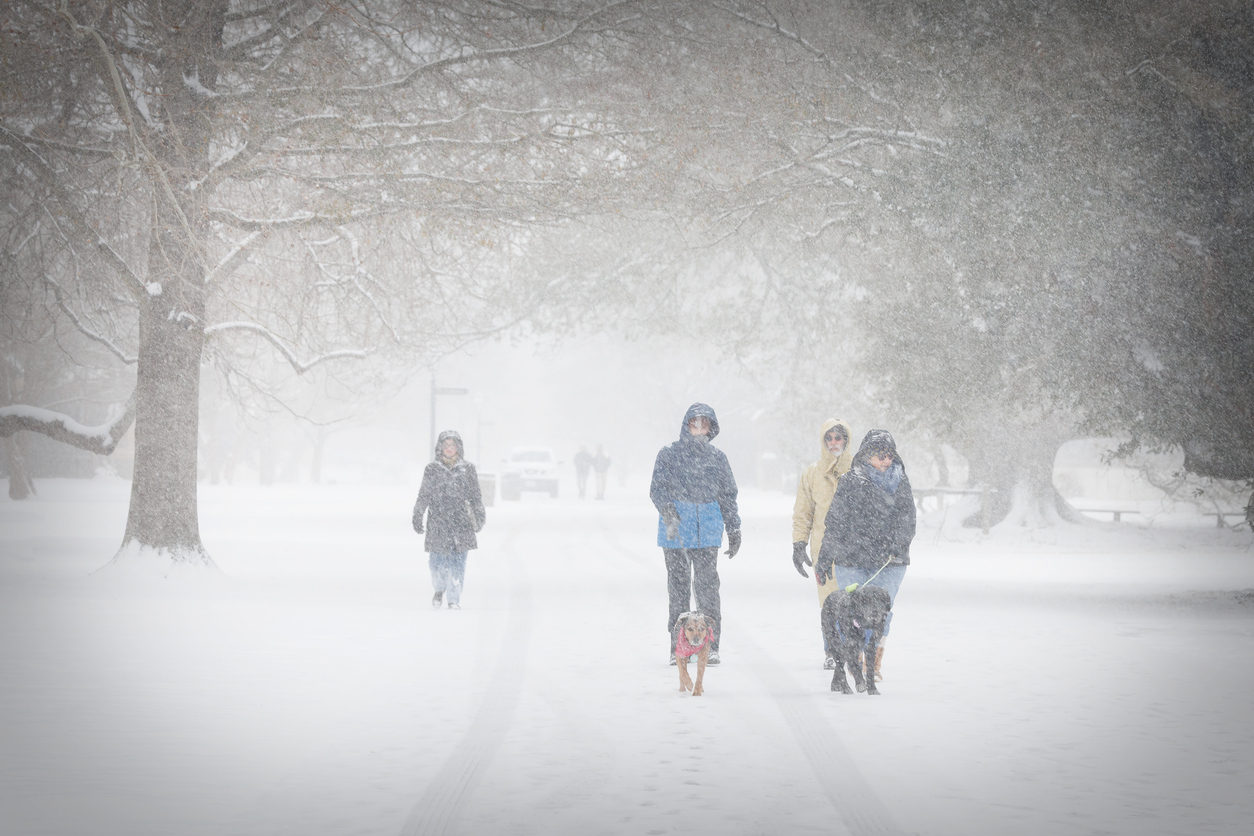
Many winter stimuli can also trigger stress responses. Loud snowplows, the scrape of shovels, people bundled in hoods and scarves, and strong smells from de-icing chemicals are all new and confusing to a dog’s senses. Plus, frequent deliveries and neighbor visits often mean more foot traffic on sidewalks and driveways, increasing the chance of unexpected encounters near your home.
Real-Life Winter Hazards That Lead to Bites
The snowblower scenario is just one example of how a common winter occurrence can lead to trouble. The loud noise, unfamiliar movement, and presence of a stranger can combine to trigger an instinctive reaction. The result might be a nip or a snap — not out of aggression, but out of surprise.
Other seasonal situations that raise bite risk include:
- Slipping on icy sidewalks: A fall can pull a leash taut or cause panic in an already tense dog.
- Children bundled in winter clothes: Fast movement and unusual silhouettes may confuse or frighten a dog.
- Yard gates left open after snow removal: A loose dog might approach someone unexpectedly or run into traffic.
Even dogs with no history of aggression can act out if startled or overwhelmed. These reactions are natural, but they can still carry serious consequences.
In winter, people often wear heavy coats, gloves, and layered clothing, which can reduce visible skin injuries during a bite or nip. While that extra padding may limit cuts or puncture wounds, it does not always prevent an incident from being reported. In many cases, a bite involving contact — even without broken skin — can still result in a claim being filed, especially if medical attention or documentation is involved.
How To Reduce Risk and Protect Yourself
You don’t have to skip winter fun, but a little extra caution can help everyone stay safe:
- Stick to shorter, familiar walks, especially in extreme weather.
- Use reflective winter gear so both you and your dog are visible in low light.
- Avoid noisy areas whenever possible, such as active snow-clearing zones.
- Supervise backyard time, mainly if snowdrifts affect fencing or visibility.
- Limit interactions with strangers during stressful weather or crowded holiday times.
Even with the best precautions, unexpected incidents can happen. That’s why understanding the cost of dog bite insurance is so important. This coverage can help protect you and others in the event of an accident.
Keep Winter Fun and Safe
Snow days can be a great time to bond with your dog — just be mindful of the extra risks. With the proper precautions and some backup protection, you can enjoy the season while keeping your pup and your neighbors safe.
Curious how affordable dog bite coverage can be? Get a free quote and find out how to add peace of mind to your winter routine.
FAQ About Winter Risks With Dogs
What cold-weather situations increase the risk of dog bites?
Winter hazards include loud machinery such as snowblowers, unusual sights and smells, reduced exercise, and unpredictable interactions with bundled-up pedestrians.
Are some dog breeds more affected by winter triggers?
Reactions depend more on individual temperament and environment than breed. Any dog can be startled or stressed in unfamiliar conditions.
Does homeowners insurance cover dog bites in winter?
Some policies offer limited coverage, but not all do — and breed exclusions may apply. Specialized dog bite liability insurance offers more reliable protection.
About Dog Bite Quote
At Dean Insurance Agency, we’ve been providing protection to dog owners since 2012, with more than 10,000 policies issued. Our underwriting criteria and years of experience providing this coverage enable us to offer competitive and fair policy premiums. Our policies are available in every state except Alaska and Kentucky. The quote is free, and there is NO obligation to purchase!